

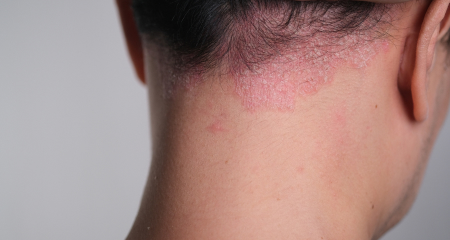
Psoriasis can cause itchy, painful, or highly visible plaques that affect both physical comfort and quality of life. The board-certified dermatologists at Northstar Dermatology provide personalized psoriasis care for patients throughout Fort Worth, with treatment plans based on the severity of the condition, medical history, and individual needs.
If psoriasis is difficult to control or interfering with your daily life, schedule an evaluation with a Fort Worth psoriasis dermatologist.
Psoriasis is a chronic inflammatory condition that causes skin cells to turn over more quickly than normal, leading to thick, red, scaly plaques.
The immune system plays a central role in psoriasis by producing abnormal inflammatory signals that cause skin cells to multiply too rapidly. Genetics and environmental triggers may both contribute to the condition.
Psoriasis can develop at any age and is not contagious.
Psoriasis can appear in several different forms and may range from localized plaques to widespread skin involvement. Some patients also develop psoriatic arthritis, which can affect the joints.
Psoriasis may also involve the fingernails and toenails and can sometimes be mistaken for nail fungus.
Plaque Psoriasis (Psoriasis Vulgaris): The most common form of psoriasis. Plaques often appear on the scalp, elbows, knees, and lower back or gluteal cleft. They may itch, crack, or bleed.
Inverse Psoriasis: This form affects skin folds such as the armpits, belly button, groin, and areas beneath the breasts. Because these areas retain moisture, plaques may appear smoother and less scaly.
Guttate Psoriasis: Guttate psoriasis causes smaller, droplet-shaped spots that may appear across the body and can sometimes develop after a streptococcal infection.
Palmoplantar Psoriasis: This type affects the palms of the hands and soles of the feet. Cracking and fissuring may cause significant discomfort and interfere with everyday activities.
Pustular Psoriasis: A less common form characterized by pus-filled bumps that may develop with other symptoms, including fever. It may be triggered by infections, medications, pregnancy, or rapid withdrawal of corticosteroids.
Erythrodermic Psoriasis: This rare and severe form causes widespread inflammation affecting much of the skin. Because it can interfere with the body’s ability to regulate temperature and fluids, it may require urgent medical care.
Certain factors do not necessarily cause psoriasis but may trigger flare-ups in people who already have the condition or are genetically predisposed.
Common triggers may include:
Fort Worth’s changing seasonal conditions can present different challenges throughout the year. Strong summer sun may increase the risk of sunburn, while colder and drier weather can contribute to skin dryness and irritation in some patients.
Psoriasis treatment depends on several factors, including the severity and extent of the condition, other medical conditions, immune status, current medications, and previous treatment response.
At Northstar Dermatology, a thorough history and physical examination help guide the most appropriate treatment plan.
Fortunately, several treatment options are available, and newer targeted therapies continue to expand the choices for patients with moderate to severe psoriasis.
Topical medications remain an important treatment option, particularly for mild or localized psoriasis.
These may include topical corticosteroids such as hydrocortisone, triamcinolone, betamethasone, or clobetasol. Other topical treatments may include vitamin D analogs, topical retinoids, calcineurin inhibitors, or other steroid-sparing medications.
Phototherapy uses controlled exposure to specific wavelengths of ultraviolet light, commonly narrowband UVB, to help reduce inflammation and slow excessive skin cell growth.
For moderate to severe psoriasis that does not respond adequately to topical treatment, or when disease is too widespread for topical therapy alone, oral or injectable medications may be considered. Oral medications may include methotrexate, cyclosporine, or apremilast. Injectable biologic medications target specific parts of the immune system involved in psoriasis. Because systemic therapies affect immune function, they may require laboratory testing and regular follow-up with your dermatologist.
Patients with other chronic inflammatory skin concerns can also explore Northstar Dermatology’s broader medical dermatology services. For a psoriasis treatment plan tailored to your condition and lifestyle, contact Northstar Dermatology or schedule an appointment online.